 Article
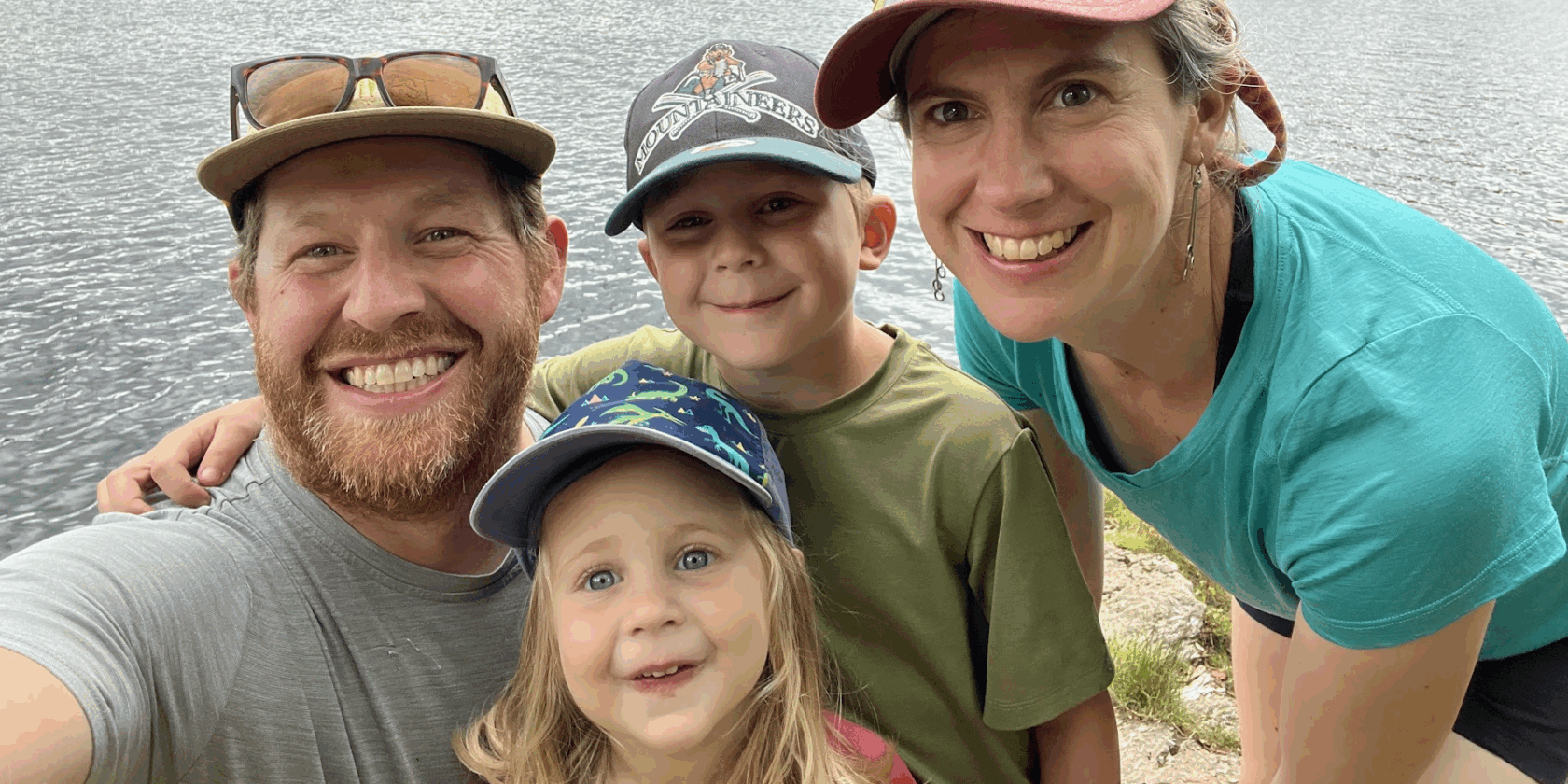
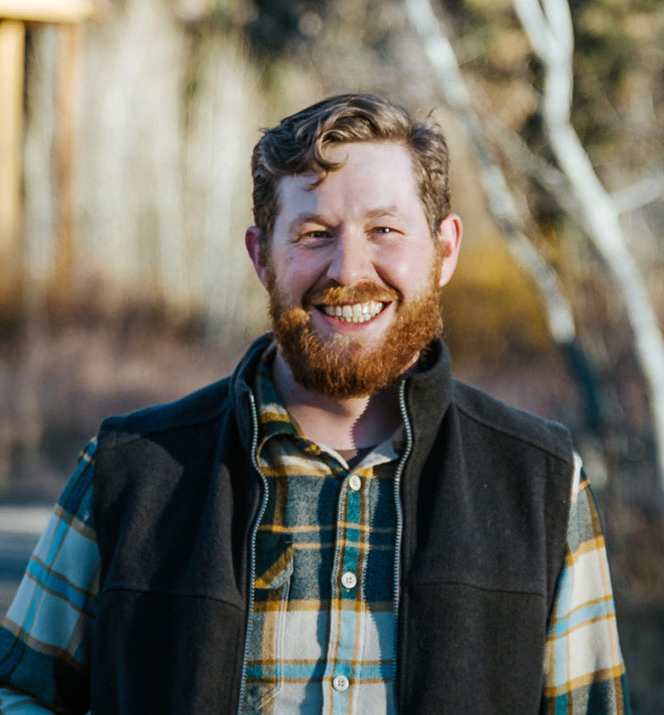 This winter, the Aloha Foundation is delighted to welcome Jordan Nobler as our new Senior Director of Programs. In this role, Jordan will provide strategic leadership across all Aloha programs—Aloha, Hive, Lanakila, Horizons, Hulbert, and Ohana—supporting program directors, strengthening training and safety practices, and helping us continue to offer transformative experiences rooted in community and time in nature.
Jordan brings more than 20 years of experience in outdoor and environmental education, including senior roles at Teton Science Schools, where he helped lead field education, risk management, and multi-site program operations. He and his wife also have a personal connection to Aloha—they were married at Ohana in 2015.
We sat down with Jordan to learn more about his background, his philosophy, and what he’s most looking forward to in his first year.
Q: What drew you to the Aloha Foundation and this Senior Director of Programs role?
I’ve spent most of my career helping people connect with each other and with the natural world. I’m pretty committed to the idea that building community requires people to come together with intention—ideally outdoors and with folks from different walks of life. Those experiences teach care, respect, appreciation, and compassion. The lessons we learn from those experiences make us better members of our home communities, and ultimately better citizens of the world.
When I first learned more about the Aloha Foundation, I saw an organization that has been doing exactly that for more than a century. The focus on growth, community, and time in nature felt deeply aligned with my own values, and the reputations of the Aloha programs are sterling. The idea of helping shepherd and shape those experiences is a huge draw.
Q: “Senior Director of Programs” is a big title. In plain language, what will your job be?
At the simplest level, my job is to help our program teams do their best work with all the people in their community–especially young people. I’ll be working closely with the directors of each camp and program to support staff training, safety practices and risk management, equity and inclusion efforts, evaluation, and long-term program planning.
I represent the different programs—and the people who make them happen—at the foundation level. I’ll be an advocate for the camps and their traditions while helping us build on our successes, innovate as the world around us changes, and making sure we have strong, clear systems behind the scenes—around safety, inclusion, staffing, and operations—so directors and seasonal staff can focus their energy on campers, not paperwork. That means working with program teams to tweak administrative processes, clarify expectations, and build the structures that free them up to do the day-to-day work of building community and connecting people to the world around them.
One tricky but exciting part of the job is helping ensure that all of our programs are growing in the same direction while still respecting their autonomy and traditions. The goal is for each camp’s unique strengths to serve the broader Aloha mission—not to smooth out those differences, but to align them.
Q: You’ve spent many years in outdoor and environmental education, but not in a traditional New England camp. How do you see that background translating to Aloha?
You’re right that most of my work has been in residential outdoor education programs—multi-day experiences where students live on site, learn in small groups outdoors, and build community together. In many ways, it’s similar to camp: cabins or dorms, shared meals, time away from home, and lots of opportunities for growth.
I don’t want to imply there aren’t big differences or that I don’t have a lot to learn—because I do. But I’ve helped run strong residential programs in very different places with very diverse audiences. In all of them, we were taking people’s children, keeping them safe, exposing them to appropriate challenge in that “growth zone,” and sending them home better equipped to put those lessons into practice. That core responsibility is very similar.
What I bring from that world is a familiarity with running complex programs in beautiful but sometimes challenging outdoor settings. I’ve managed multi-site teams, coordinated logistics for thousands of participants each year, and worked hard to create inclusive communities where every student feels they belong. My first priority at Aloha is to listen and learn from the camp directors and seasonal staff who know these programs best, and then use my experience to support and strengthen what’s already working so well.
On the flip side, I didn’t go to camp myself, but some of the people I respect and admire most attribute a lot of their success and sense of place in the world to camps like the Alohas. I haven’t had that experience personally, but I understand the power and potential of it. Having seen what can happen when these kinds of programs go well gives me a clear goalpost to aim for, even if I haven’t walked that exact path.
Q: Safety and risk management are a big part of your background. How do you balance safety with the adventure and independence that are so important to camp?
This is where my philosophy lines up really well with the Alohas. Taking healthy, appropriate risks is a crucial part of developing confident, self-possessed young people. There’s a movement in the outdoor world to retire the phrase “safety is our biggest priority,” because if safety were truly our single biggest priority, we’d take your kids in June, wrap them in bubble wrap, and hand them back in August.
Our real job is to help kids grow. That means providing a foundation of physical, emotional, and cultural safety that allows them to challenge themselves. I think of it a bit like Maslow: once those basic needs are met, we can encourage people to take risks and fail appropriately, so they can gain the life lessons that come from those experiences.
Coming out of COVID, we’ve rediscovered how important resilience is—and you don’t become resilient by being comfortable all the time. You do it by going to camp in an environment with strong guardrails: thoughtful systems, well-trained staff, and a culture that supports stretching yourself in ways that are challenging but not overwhelming.
Q: Equity and inclusion show up throughout your resume. How do you think about that work in a camp context?
For me, long-term, successful equity and inclusion work can’t live off to the side. I was once in a working group of outdoor educators where people were self-selecting into tasks, and someone suggested one of our groups be dedicated to DEI. The facilitator stopped us and said, “Wait, no, you can’t break DEI off like that.” That really stuck with me. If equity is only its own separate project, it won’t shape how we actually operate.
In a camp setting, that means weaving inclusion into everyday decisions: how we hire and train staff, how we design traditions so that new campers can enter them, how we respond when someone feels left out. It’s less about a single agenda item and more about good habits and systems that make every camper feel like they belong and can thrive.
Q: What are you most excited to learn from the Aloha camps and programs in your first year?
Honestly? All of the traditions and the rhythm of how camp works here. Aloha, Hive, Lanakila, Horizons, Hulbert, and Ohana each have their own culture, and I’m really looking forward to learning the stories that make each one unique. I’m excited to find out: What is Big Tuna? What happens at the closing circle at Aloha? How does a typical day unfold at each program?
I want to understand what feels most essential to the people who know these places best—staff, alumni, campers, and families. I’m also eager to dig into the “why” behind the practices that have stood the test of time. Often there’s deep wisdom in those traditions and understanding that can help us both preserve what matters and make thoughtful updates when needed. For me, the real magic lives in those small, day-to-day moments that add up to an experience people describe as life-changing and that has meant so much to so many for so long.
Q: How would you describe your leadership style? What can staff expect from working with you?
I’d say my style is straightforward and direct, while hopefully always respectful and open to feedback. People can expect clear communication about where we’re headed and why, and also an invitation to tell me when something on the ground doesn’t match what we imagined on paper.
I like to lean on the expertise of the people on my team. I’ve never been part of a successful organization where the people one step up the org chart felt they had to “master” the roles of the people below them. My experience has always been that programs are strongest when decisions are informed by the people who are closest to campers and staff.
I sometimes use the orchestra metaphor: conductors aren’t better violinists or cellists than the musicians in front of them—they just happen to have the score. My job is to hold the big picture, set direction, and keep us in sync, while relying on the deep expertise of the people who are doing the day-to-day work. I want staff to feel trusted, backed up, and comfortable bringing ideas forward—even if those ideas mean we need to change how we’ve always done something.
Q: Finally: what’s one “campy” thing about you that people might not guess from your resume?
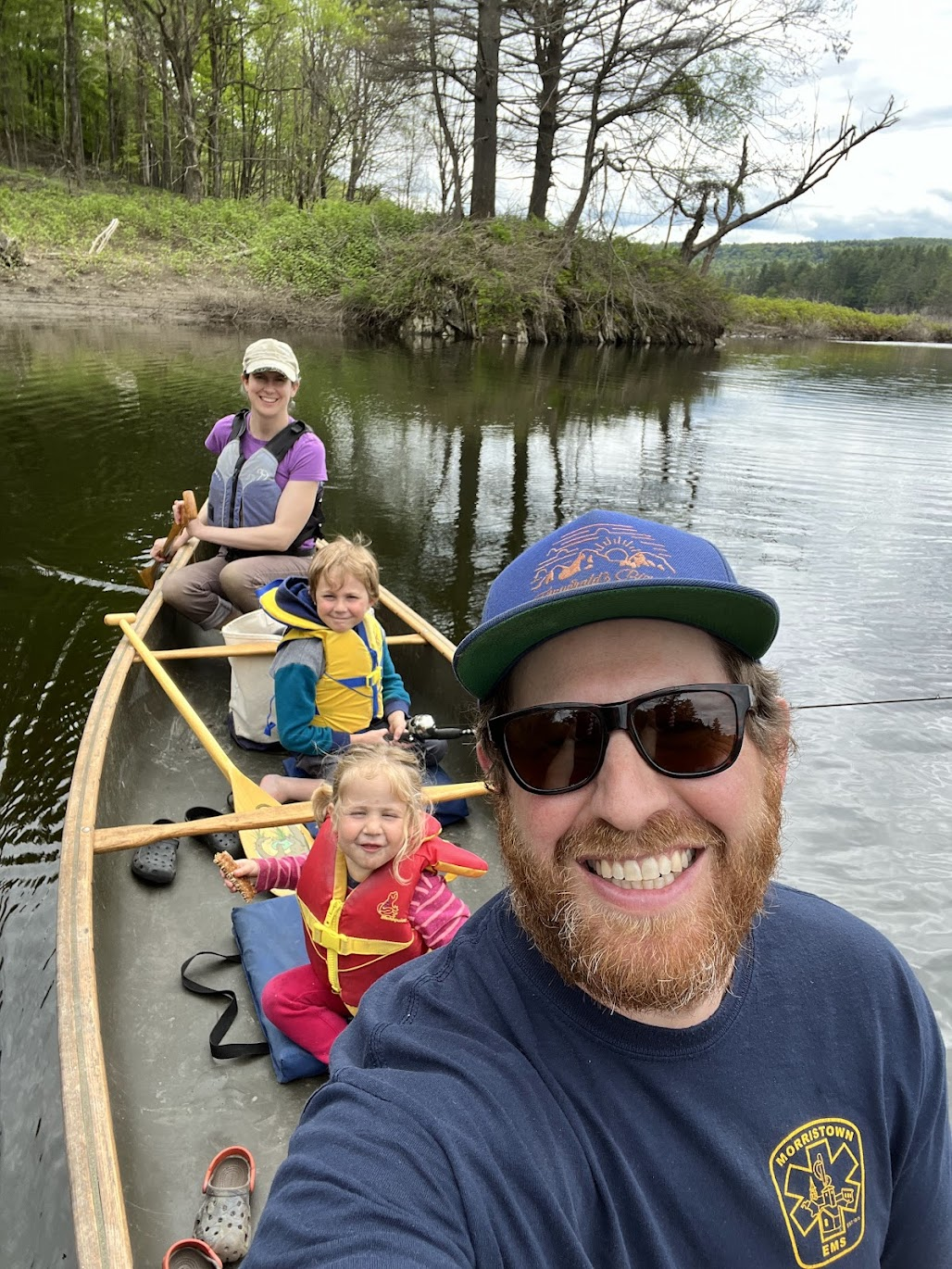 I love a good campfire program with skits and songs. My first job after college was as an intern at an environmental education program, and we spent three weeks studying what makes a really good campfire: how you shape the arc of the evening, build to a crescendo, and then bring the energy down so people are ready for sleep.
So while my resume might highlight risk systems and program budgets, I’m also someone who’s happy to be out there leading a song, laughing at a skit, and helping create those classic camp moments.
***SPEED ROUND***
Favorite camp food or campfire meal?
SuperMac! No contest. That’s boxed mac and cheese (Annie’s, preferably) plus whatever leftovers we have—diced veggies, tuna, hot dogs—anything. With hot sauce.
Ideal day off in Vermont?
A long bike ride on a Class IV road—one of those rough, unpaved back roads—ideally ending near a place that serves maple creemees.
What advice do you have for young people?
Spend time learning to love the natural world, and you’ll grow into a person who works to take care of it.
What do young people need most from places like Aloha right now?
In-person, in-the-moment experiences.
If you could introduce one new tradition at Aloha (purely hypothetical!), what might it be?
SuperMac. No contest.
Article